Sunday, May 31, 2009

Types of Physical Therapy

There are many specialty areas in the field of physical therapy. Although this is well known throughout the profession, it is often overlooked by the general public. Below is a brief description of the five most common specialty areas in physical therapy. Read on to find out what specialty area is most appropriate for you or your family member.

1- Orthopedic physical therapists diagnose, manage, and treat disorders and injuries of the musculoskeletal system as well as rehabilitate patients post orthopedic surgery. This specialty of physical therapy is most often found in the out-patient clinical setting. Orthopedic therapists are trained in the treatment of post operative joints, acute sports injuries, arthritis, and amputations just to name a few. Joint mobilizations, strength training, hot/cold packs, and electrical stimulation are modalities often used to expedite recovery in the orthopedic setting. Those who have suffered injury or disease affecting the muscles, bones, ligaments, or tendons of the body will benefit from assessment by a physical therapist specialized in orthopedics.


2-Geriatric physical therapy covers a wide area of issues concerning people as they go through normal adult aging, but is usually focused on the older adult. There are many conditions that affect many people as they grow older and include but are not limited to: arthritis, osteoporosis, cancer, alzheimer's disease, hip and joint replacement, balance disorders, incontinence and more.

Geriatric physical therapy helps those affected by such problems in developing a specialized program to help restore mobility, reduce pain, increase fitness levels and more.


3-Neurological physical therapy is a discipline focused on working with individuals who have a neurological disorder or disease. These include Alzheimer's disease, ALS, brain injury, cerebral palsy, multiple sclerosis, Parkinson's disease, spinal cord injury, and stroke. Common problems of patients with neurological disorders include paralysis, vision impairment, poor balance, inability to ambulate, and loss of functional independence. Therapists work with patients to improve these areas of dysfunction.


4-Cardiovascular and pulmonary rehabilitation physical therapists treat a wide variety of patients with cardiopulmonary disorders or those who have had cardiac or pulmonary surgery. Primary goals of this specialty include increasing patient endurance and functional independence. Manual therapy is utilized in this field to assist in clearing lung secretions experienced in patients with cystic fibrosis. Patients with disorders including heart attacks, post coronary bypass surgery, chronic obstructive pulmonary disease, and pulmonary fibrosis are only a few examples of those who would benefit from cardiovascular and pulmonary specialized physical therapists.


5-Pediatric physical therapy assists in early detection of health problems and uses a wide variety of modalities to treat disorders in the pediatric population. These therapists are specialized in the diagnosis, treatment, and management of infants, children, and adolescents with a variety of congenital, developmental, neuromuscular, skeletal, or acquired disorders/diseases. Treatments focus on improving gross and fine motor skills, balance and coordination, strength and endurance as well as cognitive and sensory processing/integration. Children with developmental delays, cerebral palsy, spina bifida, and torticollis are a few of the patients treated by pediatric physical therapists.


free physiotherapy,physical therapy dictionary

Free Physical Therapy Dictionary offers a free online physical therapy dictionary that allows users to search physical therapy terms based on first letter or by phrase. This online physical therapy glossary can be helpful in learning physical therapy definitions


go to


to find out more about it

top Physical Therapy Dictionary Terms
active range of motion (abbrv. AROM)
 the motion caused by muscle contraction
angle
a vector quantity that is composed of two sides which intersect at a vertex
dependent arm position
 the position that the arm is hanging down by the side of the trunk
cancellous bone
 very loose bone tissue consisting of a 3D lattice of branching trabeculae
WNL
no abnormal results during testing
passive motion
 the motion caused by sources other than muscle contraction
Physical Therapy Software (abbrv. PTS)
 Computer software aiding in streamlining physical therapy billing, physical therapy invoicing and physical therapy scheduling. 


Wednesday, May 27, 2009

Best Careers 2009: Physical Therapist


By Marty Nemko 

Overview. Next to the clergy, physical therapy ranked highest in job satisfaction, according to a survey conducted by the National Opinion Research Center at the University of Chicago

More than three quarters of physical therapists reported being "very satisfied" with their occupation. In a similar survey by the Wall Street Journal's Career Journal, physical therapy rated one of the eight best career

And it's easy to understand why:

You're a one-on-one coach, a role that many people enjoy. It's a bit like a fitness coach but with more skills and you're helping people with more acute problems

You usually see real progress. For example, it's touching to see a patient, who came in on a stretcher or in a wheelchair, walk out at the end of treatment


Unlike physicians, who often are restricted to 12-minute appointments, you typically see a patient for an hour

You have considerable autonomy in how to solve problems, yet, unlike in self-employment, you can get a steady and pretty good paycheck

There's variety: Most physical therapists are generalists. You might treat, for example, a brain-injured child, a football player who broke his arm, amputee, and an aged stroke patient

You can choose from a wide range of work settings, notably hospitals, physical therapy clinics, schools, physicians' offices, and patients' homes

Unlike many other health professionals who must work nights and weekends, you usually have normal work hours


Despite increased use of lower-cost physical therapy assistants, the job market for physical therapists is projected to remain strong as the baby boomers are reaching the age where they get more weekend-warrior athlete injuries and more serious problems


US News

Monday, May 25, 2009

What Kinds Of Physical Therapy Work For Arthritis?

Patients with arthritis in our practice are often referred to physical therapists during the course of their management. One question I often hear from patients when I suggest physical therapy is, "But, why can't I do exercises at home?"

So the big misconception here is that physical therapy is just a bunch of glorified exercise instruction. Nothing could be further from the truth. Physical therapy plays an extremely important role in the management of the patient with arthritis.

Before we go into the treatment modalities that physical therapists use, let's start with exercises since they are an integral part of treatment.

Exercises consist of stretching, strengthening, and range of motion. In addition, as patients get older they need different types of training such as with balance and gait. Finally, the physical therapist in conjunction with the occupational therapist may look into activities of daily living and suggest some modifications that may be helpful.

But where physical therapy plays a major role is in using different modalities to relieve pain and speed the healing process.

Diathermy is a treatment method which delivers deep heat. It is useful for chronic pain conditions such as deep muscle injury or arthritis.

Precautions in regard to skin and subcutaneous tissue depth should be attended to. For example, a person who is skinny will require much less diathermy than an obese person. Also patients with damage to sensory nerves probably should not receive diathermy.

Iontophoresis (IP) is a procedure where an electric current pushes ionically charged chemicals (ie., glucocorticoids or steroids) through the skin to reach deeper tissues. IP can be used for calcific tendonitis and inflammatory conditions such as arthritis. Contraindications to use of iontophoresis include allergy to the chemical being applied, open wounds, or neurologic deficits that impair a person's ability to feel.


Iontophoresis also should not be used near metallic implants, wires, or staples.

Ultrasound (US) is a type of treatment in which high-frequency sound waves are used to "heat up" superficial soft tissues and to help with tissue healing. Ultrasound can be used for tendon injuries or for short-term pain relief related to muscle strain or spasm. Contraindications of ultrasound include the use of US directly over recently surgically manipulated nerves such as a recent laminectomy, directly over malignant tumors, and over joint replacements and permanent pacemakers. US should also not be used in areas of thrombophlebitis (blood clots), near the eyes, over the uterus, ovaries, and testicles. US also should not be used in areas of acute inflammation, over the epiphyseal plates of growing children, and over breast implants of any type.

Phonophoresis (P) is the use of ultrasound to transport therapeutic medications to subcutaneous tissues. P can be used for inflammatory conditions such as tendonitis, arthritis, and bursitis. The same cautions and contraindications exist as for US.

Electrical stimulation (ES) is the process of using electrical current to deliver a therapeutic effect by generating an action potential in nerve tissue. This action potential leads to two potential results. The first is a change in sensory input, ie. a reduction in the ability to perceive pain. The second is a muscle contraction. Low grade muscle contractions can often relieve the severe muscle spasms that occur in association with arthritis. ES can be used for chronic pain related to arthritis, bursitis, or tendonitis. It is also useful for muscle spasm as well as neuropathic or radicular pain (pain from pinched nerves in the spine).

It has the same contraindications as US.

Low-level laser therapy- also known as cold laser- acts through the absorption of photon radiation. This leads to changes in cellular oxidative metabolism. Evidence indicates that levels of inflammatory and pain mediators such as prostaglandin E2 can be reduced with this modality. Cold laser can be used for minor musculoskeletal pain, osteoarthritis, chronic neck and low back conditions, and fibromyalgia.

It should be used with caution in patients with malignant tumors or in those being treated with anticoagulants, corticosteroids, or immunosuppressive drugs and should not be used over the thyroid gland or over reproductive organs.

Patients and those providing the cold laser treatment should use safety goggles to limit eye exposure to laser light.

These are only a very small portion of the many therapeutic modalities a physical therapist has in their arsenal. In the care of patients with arthritis, physical therapists are an indispensable member of the team.

Sunday, May 17, 2009

physical therapy education in the world

  • In the United States, training in physical therapy culminates in a doctor of physical therapy (DPT) degree. A few programs still offer a Masters degree. (MSPT, MPT) All US programs are now transitioning to grant the DPT degree nationwide. There are still many physical therapists currently practicing in the US who were trained with a BSPT degree. Physical therapist education includes clinical internships. All states also require physical therapists to pass the National Physical Therapy Examination before they can practice.[20] Each state regulates licenses for physical therapists independently. According to the American Physical Therapy Association, there were 210 accredited physical therapist programs in 2008–of those 15 offered the Master of Physical Therapy, and 195 offered the Doctor of Physical Therapy(DPT) degree. Most programs are in transition to a DPT program.[21]

In the United States, there are approximately 233 accredited two year programs for Physical Therapy Assistants.


  • In Iraq, The Physical therapy degree is a master part of orthopaedic surgery board that given by the medical school after the Bs.c degree , so its need full Bs.c degree in medicine ( 6 years )


  • In the United Kingdom, university degrees tend to be three rather than four years in length, as British students typically read a two-year A-level course after leaving secondary school at a college of further education before progressing to university level. However, some universities offer a four year part time course, which is open to physiotherapy assistants and technical intructors and involves studying for two days a week and working the remaining three. In order to qualify, students are required to complete 1000 hours of clinically based learning: this typically takes place in the final two years; however, some courses also have clinical placement in the first year. Thirty-five universities and tertiary level institutions train physiotherapists in the UK. The vast majority of physiotherapists work within the National Health Service, the state healthcare system.


  • In the Philippines, physical therapy programs are generally 5 years in length and awards the Bachelor of Science in Physical Therapy (BSPT) degree upon graduation. The program consists of basic sciences, 2 years of physical therapy subjects and a final year of internship & research/thesis. Some schools require students to complete a full 12 months of internship. During the internship year, students are required to fulfill clinical affiliations with hospitals, outpatient physical therapy clinics, and other healthcare facilities. Due to the healthcare structure in the Philippines, clinics and therapy departments are often headed by a Physiatrist who performs evaluation and writes out specific treatment orders for the PT to follow, and majority of the treatments are cash-based since not a lot of people have health insurance. To be able to secure a license to practice PT in the Philippines, one must be able to pass a grueling licensure examination (board examination) given by Board of Physical Therapist under the supervision of the Professional Regulation Commission (PRC). Under R.A. 5680, successful examinees will be allowed to include P.T.R.P. in their name which stands for Physical Therapist Registered Philippines. Licensure examination for physical therapists in the Philippines is governed by Republic Act 5680, also known as The Philippine Physical Therapy and Occupational Therapy Law.


  • In Turkey, the Physiotherapy (BPT) education is provided by physiotherapy schools in universities (Hacettepe University, Dokuz EylĂĽl University, İstanbulUniversity, Baskent University, Pamukkale University, Dumlupınar University, SĂĽleyman Demirel University) after high school education. Education takes 4 years or 5 years with preb classes. MSc and Ph.D. education is given by institutes of medical sciences.

  • In Bangladesh, the Bachelor of Physiotherapy (BPT) course is provided by the Medicine Faculty of University of Dhaka. There are four affiliated institutes, the Bangladesh Health Professions Institute (BHPI)- the Academic Institute of CRP,the National Institute of Traumatology Orthopaedic and Rehabilitation, the state college of Health sciences and the peoples institute of health sciences which provide 5 years of professional education including a one year mandatory internship. Bangladesh Physiotherapy Association (www.bpa-bd.org)is only internationally recognized professional body, working hard to establish the rights and dignity of the professionals in the country.The Bangladesh Physiotherapy Association has received international recognition from WCPT (2007) in Vancouver.

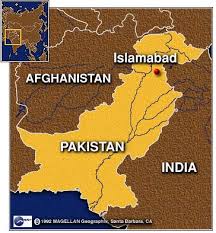
  • In Pakistan there are 8 colleges offering Bsc. Physiotherapy and 2 colleges offering Msc in PT. Physiotherapists have a good scope in government and private hospitals and they are awarded 17 grade pay scale and one college Riphah Institute of Physical Therapy and Isra college of physical therapy Hyderabad are offering now DPT (five years duration) and tDPT(two years).In this way Pakistan has become the third country offering DPT in the world.

  • In Australia, a few different programs are available at both undergraduate and post graduate level. The physiotherapy degree can be undertaken over a 4 years period as an undergraduate or 2–3 years post graduate with the early components being predominantly theoretical including basic anatomybiologyphysicspsychologykinesiologygoniometry and physiology. In the latter half of the degree students partake in practical components focusing on musculoskeletal physiotherapy, neuromuscular physiotherapy, paediatric physiotherapy, geriatric physiotherapy, cardiothoracic physiotherapy, and women's health. The program generally progresses with an increasingly clinical focus and usually the final year involves practical placements at clinics, and research. Australian programs offer either the (B.Physio, BSc (Physio), M.Physio, or DPT) degrees.

  • In Canada, entry-level physiotherapy education is offered at 13 universities. Some of these university programs are at the Master's level, meaning that applicants must have already completed an undergraduate degree prior to applying; all of them are slated to be at the Master's level by 2010. Many universities also offer graduate programs in physiotherapy, rehabilitation, or related disciplines at the masters or doctoral level. Many physiotherapists may advance their education at these levels in such Clinical Practice Areas as cardiorespirology, geriatrics, neurosciences, orthopaedics, pediatrics, rheumatology, sports physiotherapy, and women's health.

  • In New Zealand, there are currently two schools of physiotherapy offering four-year undergraduate programs. Many New Zealand physiotherapists work in the private health care system as musculoskeletal physiotherapists and the curriculum reflects the need to prepare graduates for autonomous practice. Students follow an educational program similar to Australia with an emphasis on biomechanics, kinesiology and exercise. Postgraduate study typically involves three years of subject specific learning.

  • In South Africa the degree (B.PhysT, B.Sc Physio or B.Physio) consists of four years of general practice training, involving all aspects of Physiotherapy. Typically, the first year is made up of theoretical introduction. Gradually, time spent in supervised practice increases until the fourth year, in which the student generally spends about 80% in practice. In the fourth year, students are also expected to complete Physiotherapy research projects, which fulfills the requirements of an Honours degree. Professional practice and specialization can only be entered into after a state governed, compulsory year of community service is completed by the student after graduation.

  • In the United Arab Emirates the Bachelor Of Physiotherapy (BPT) consists of a 4 year undergraduate degree program. In the first year of the program they are introduced to pre-clinical subjects such as Anatomy, Physiology, Biochemistry, Human Behaviour & Socialisation & Basic Medical Electronics & Computers. The students also get hands on experiences in cadaveric dissections while learning Human Anatomy during the first year of the program. The students progressively are introduced to supervised clinical practice and the integrated curriculum offers the best learning experiences in addition to extensive inhouse elearning programs. The course offers Case Based Learning experiences and focusses on Evidence Based Practices. The program culminates with a six month internship ending with a research project work.

  • In Spain a physiotherapy student is required to complete 3 years of training after having passed a university entrance exam. After completing a physiotherapy program, another exam can be taken to work for the public health system of an autonomous community, or a graduate can work for private hospitals, clinics, etc. There are 43 universities with physiotherapy faculties in Spain.

  • In the Republic of Ireland, Physiotherapy is available as an undergraduate course in four universities,, Trinity College, University College Dublin, Royal College of Surgeons and University of Limerick. Courses are four years in length with clinical practice in the final two years. Students are required to complete 1000 hours of clinical practice before graduation.

  • In India, universities offer undergraduate program of physiotherapy with four years of academic and clinical program and 6 months of compulsory internship. There are over 250 colleges offering undergraduate program in physiotherapy (BPT) and more than 50 colleges offering masters in Physiotherapy (MPT) with 2 years duration. PhD in Physiotherapy is offered in some universities of the states Maharashtra, Karnataka and Tamil Nadu.

  • In Sri Lanka, Physiotherapy is available as a Diploma course for 2 years in School of Physiotherapy & Occupational Therapy, which is affiliated to the National Hospital of Colombo from 1957. After the 6 months of classroom training students are sent to hospitals for clinical practice. During the 80's foreign students from Australia, Belgium have studied at the Physiotherapy School. From the year 2005 Medical Faculties of University of Peradeniya & University of Colombo have started the undergraduate course for 4 years.

  • In Taiwan, Physical Therapy is available as a four-year undergraduate course in 14 universities. There are also three junior colleges to provide a five-year program. Clinical practice is required in the final year of the both programs mentioned above. Once a student graduates from the PT program, he/she is then required to pass a national licensure exam administered by the Ministry of Examination, Taiwan, R.O.C. Many universities also offer graduate programs in physical therapy, rehabilitation, or related disciplines at the masters or doctoral level.

  • In Kuwait, Physical therapy B.Sc degree can be obtained after graduating from Kuwait University (4 years program). Students learn to asses patients and document their progress at their 2nd year and start going to hospitals to have their practical learning from 3rd year. After graduating they can apply to work at hospitals, and they start their job by passing through a training year where they can practice their skills even more. During that year they have to be trained in the following schedule: 2 months general hospital, 2 months orthopedics, 2 months rehabilitation, 2 months neuro, 2 months and half pediatrics, 1 month cardiopulmonary, and 2 weeks of gyna or sport medicine. After that they can chose to be specialized in one of those paths to continue his journey on. Physical therapy in Kuwait is very promising though we lack the availability of post graduation programs unfortunately.

  • In Malta, Physical Therapy B.Sc (honours) is available as a course which can be obtained after finishing a four year course at the Institute of Health Care of the University of Malta. This course involves all aspects of Physiotherapy. Students have an intensive 3 year theoretical course after which the s/he spends the last year doing clinical placements (in total = 4 years). Students learn how to assess and treat patients. To be able to secure a license to practice as a physiotherapist, one must be able to pass some practical exams which involves both assessment and treatment. In the fourth year, students are also expected to complete a physiotherapy research project, which fulfills the requirements of an Honours degree.

  • In Italy, known as "Laurea in Fisioterapia (abilitante alla professione sanitaria di Fisioterapista)", it is a three-year full time degree taught in the Faculty of Medicine of many Italian Universities. The course is an intensive mix of class time and mandatory internship right from the first year. Internship is such an important part that the number of hours dedicated to practice progressively increases reaching half of the program by the third year. There are no special requirements to be admitted to the Bachelor's degree; students from various backgrounds can access the program, previous passing an 80 question pre selection test. This test is implemented to all those courses known as "numero chiuso" or close access to limit the number of participants. Depending on the Faculty and course between 30 to 400 positions are available each year. To be selected one has not only pass the examination but finish in the top positions required to enter. For all para-medical degrees each Institution can select its own test which it held simultaneously in all Universities, whereas for Medicine the test are administered by the Ministry of Education. Importance is given to the initial exam and a "close number" is paramount. This maneuver controls the job market, hence prodiving secure occupation to those who finish.